
Let’s be honest—SEO can feel like trying to solve a puzzle where half the pieces are missing.
You read one article, it tells you to focus on keywords. Another says backlinks are everything. Then someone throws “technical SEO” into the mix and suddenly you’re questioning your life choices.
This is exactly why finding the Top 10 tools for SEO matters. The right tools don’t just save time—they make SEO feel less like guesswork and more like a system you can actually control.
Whether you’re a small business owner juggling everything, a marketer in a corporate team, or someone just stepping into digital marketing, using the Best SEO tools can change the way you approach growth.
Let’s break it down—without jargon, without fluff, and without making your head spin.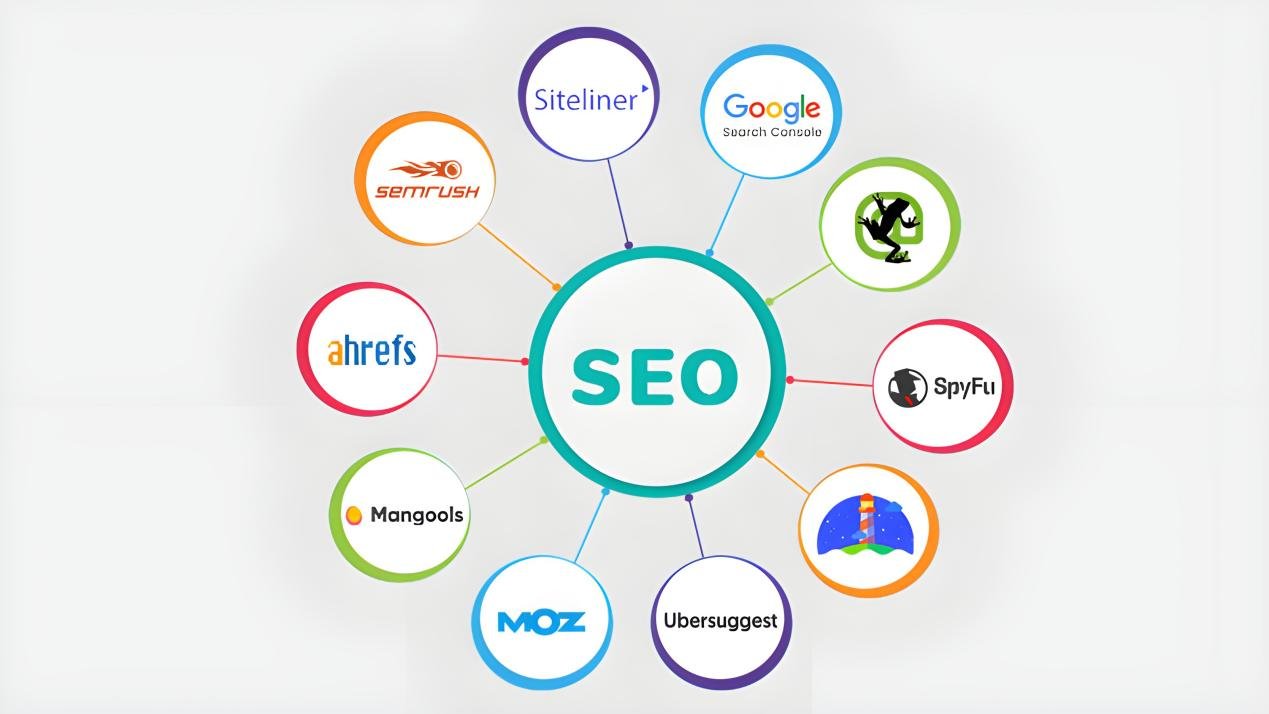
What Makes a Tool Worth Using in SEO?
Before we jump into the Top 10 tools for SEO, here’s something worth thinking about.
A good SEO tool should:
- Save time
- Provide clear insights
- Help you take action (not just show data)
- Be simple enough to use without needing a PhD
There’s no shortage of fancy platforms out there, but not all of them qualify as easy SEO tools. Some are powerful but complicated. Others are simple but limited.
The goal is balance.
Question: What Are the Top 10 Tools for SEO That Beginners and Experts Can Actually Use?
Now we’re getting to the good part.
Here are the Top 10 tools for SEO that consistently deliver value—whether you’re just starting or scaling aggressively.
1. Google Analytics
Think of this as your website’s diary.
It tells you:
- Who’s visiting
- Where they’re coming from
- What they’re doing
If you’re exploring tools for SEO for beginners, this is non-negotiable.
It might feel overwhelming at first, but once you get used to it, you’ll wonder how you ever worked without it.
2. Google Search Console
If Google had a way of talking directly to you, this would be it.
It shows:
- Which keywords bring traffic
- Indexing issues
- Website performance
Among the Best SEO tools, this one is like getting insider information straight from the source.
3. Ahrefs
Ahrefs is like that friend who knows everything about everyone—except in this case, it’s about websites.
Want to spy on competitors?
Check backlinks?
Find keyword opportunities?
This is one of the most powerful picks in the Top 10 tools for SEO, especially for advanced users.
4. SEMrush
If Ahrefs is the detective, SEMrush is the strategist.
It helps with:
- Keyword research
- Competitor analysis
- Content planning
Many marketers consider it one of the Best SEO tools because it covers almost everything in one place.
5. Ubersuggest
This one feels like SEO made simple.
Perfect for those looking for tools for SEO for beginners, Ubersuggest gives you keyword ideas, traffic insights, and content suggestions without overwhelming you.
It’s one of those easy SEO tools that helps you get started quickly.
6. Yoast SEO
If you use WordPress, you’ve probably heard of this.
Yoast is like a friendly editor sitting beside you while you write.
It tells you:
- If your content is readable
- Whether your keyword usage is balanced
- What needs improvement
For content creators, it’s one of the most practical Top 10 tools for SEO options.
7. Moz Pro
Moz feels like that calm teacher who explains things without making you feel dumb.
It’s known for:
- Domain authority tracking
- Keyword research
- Link building insights
If you want something reliable yet not overly complex, this fits perfectly into the Best SEO tools category.
8. Screaming Frog SEO Spider
Okay, the name sounds intense—but it’s incredibly useful.
This tool crawls your website and finds:
- Broken links
- Duplicate content
- Technical errors
It’s not the simplest, but once you get the hang of it, it becomes one of the most valuable tools in your Top 10 tools for SEO list.
9. Canva
Wait—Canva? For SEO?
Yes.
Visual content plays a huge role in engagement. Better engagement often leads to better rankings.
For businesses looking for easy SEO tools, Canva helps create:
- Infographics
- Social posts
- Blog visuals
Sometimes SEO isn’t just about keywords—it’s about keeping people interested.
10. AnswerThePublic
This tool feels like reading your audience’s mind.
It shows real questions people are searching for.
If you’ve ever struggled with what to write, this tool solves that problem instantly.
For content-driven strategies, it’s one of the smartest additions to the Top 10 tools for SEO.
How to Choose the Right Tool Without Overcomplicating Things
Here’s the thing—you don’t need all 10 tools at once.
Start simple.
If you’re new:
- Google Analytics
- Google Search Console
- Ubersuggest
That’s enough.
As you grow, you can explore more advanced Best SEO tools.
The biggest mistake people make?
Trying everything at once and ending up confused.
A Real-Life Style Example
Let’s say you run a small online store.
Instead of blindly posting content, you:
- Use Google Search Console to find keywords
- Check competitors with Ahrefs
- Optimize blogs with Yoast
- Create visuals using Canva
Within a few months, your traffic starts growing.
That’s the power of using the right tools for SEO for beginners in a smart way.
Common Mistakes People Make with SEO Tools
Let’s keep it real—tools don’t guarantee success.
Here’s where people go wrong:
1. Collecting Data but Not Acting on It
Data is useless if you don’t use it.
2. Relying on One Tool Only
Each tool has strengths. Don’t limit yourself.
3. Ignoring Basics
Even the most advanced easy SEO tools won’t help if your content is weak.
Final Thoughts: Tools Don’t Replace Strategy (But They Make It Smarter)
Here’s something worth remembering.
SEO tools are like gym equipment.
They help—but only if you actually use them properly.
The real magic happens when you combine:
- Good content
- Smart strategy
- Consistent effort
The Top 10 tools for SEO we discussed aren’t shortcuts—they’re accelerators.
Once you start using the right mix of Best SEO tools, even complex strategies begin to feel manageable.
And if you’re just starting, don’t stress.
Pick a couple of tools for seo for begginners, learn them well, and build from there.
Because in SEO, it’s not about doing everything—it’s about doing the right things consistently.
Pingback: AI in Digital Marketing: How It Works & What's Next in 2025